Online MA Courses in Mass Communication and Journalism
Chandigarh University | Noida International University | Parul University
-232f765c0e3e43019740934e503abb2a.jpeg&w=3840&q=75)
Learn from Top Universities
-aa3f7678f0914fd1a0584c733dc8f66c.jpeg&w=640&q=75)



Snapshot of Online MA in Journalism and Mass Communication
An Online MA in Mass Communication and Journalism is a two-year postgraduate program that provides advanced knowledge of media studies, journalism, digital communication, advertising, public relations, and broadcasting. The course combines media theory with practical skills such as reporting, editing, content creation, media ethics, and digital storytelling.
With the rapid expansion of digital media, news platforms, and OTT services, the program prepares students to adapt to evolving communication trends. The online format offers flexibility for graduates and working professionals, and when pursued from a UGC-recognized university, it holds equal value to a regular MA degree.
What Can You Expect?
- In-depth understanding of print, television, radio, and digital media industries
- Practical exposure to reporting, anchoring, content writing, and media production
- Training in digital journalism, social media strategy, and multimedia storytelling
- Knowledge of media laws, ethics, and communication research methods
- Career readiness roles in journalism, PR, advertising, and corporate communication.
Why Choose an Online MA in Mass Communication and Journalism
An Online MA in Mass Communication and Journalism opens doors to diverse opportunities in the media and creative industries. The program blends theoretical knowledge with practical media skills required in today’s digital world. It helps students adapt to rapidly changing communication platforms and trends. With flexibility and industry relevance, it is a smart choice for career-focused learners.
Key Reasons to Choose This Program:
- Growing Media Industry – Rapid expansion of digital news platforms, OTT services, and social media channels creates strong career demand.
- Flexible Learning Format – Access recorded lectures, live sessions, and study materials from anywhere.
- Career Diversification – Explore roles in journalism, advertising, PR, digital marketing, and filmmaking.
- Skill-Oriented Curriculum – Gain practical training in reporting, editing, media production, and strategic communication.
- Affordable Higher Education – Online programs often have lower fees compared to regular campus degrees.
- Strong Networking Opportunities – Interact with faculty members and industry professionals through webinars and projects.
The program develops creativity, analytical thinking, and technical skills essential for modern media careers.
Who Should Pursue an Online MA in Mass Communication and Journalism
This program is ideal for individuals who are passionate about media, storytelling, and communication. It suits those who want to build or advance careers in journalism, digital platforms, and creative industries. The flexible online format also makes it convenient for working professionals. It provides advanced knowledge and specialization for long-term career growth.
It is Suitable For:
- Graduates in journalism, media, arts, or related fields who want to deepen their expertise.
- Content creators and digital marketers seeking advanced media knowledge and credibility.
- Working journalists aiming for promotions and leadership roles.
- PR and corporate communication professionals looking to specialize further.
- Students interested in broadcasting, filmmaking, or digital media careers.
Best Universities Offering Online MA in Mass Communication and Journalism
An Online MA in Mass Communication and Journalism is designed for students who want to build careers in media, digital journalism, public relations, and broadcasting. From the universities you previously shared, along with recognized government institutions, the following universities actually offer online or distance MA programs in Journalism and Mass Communication.
University Name | Key Highlights |
Chandigarh University | Offers Online MA in Journalism & Mass Communication; UGC-recognized; industry-oriented curriculum; fully online mode |
Andhra University | Provides Online MA in Journalism & Mass Communication; UGC-entitled; flexible learning structure |
Indira Gandhi National Open University | Central government open university; MA in Journalism & Mass Communication (ODL mode); affordable and widely accepted |
Kurukshetra University | State university offering MA in Mass Communication via distance mode; UGC-recognized |
Dr. B. R. Ambedkar Open University | State Open University; MA in Journalism & Mass Communication; flexible and affordable |
Curriculum of Online MA in Mass Communication and Journalism
The curriculum is designed to balance media theory with practical industry exposure. It helps students understand communication models while developing hands-on skills in reporting, editing, and digital production. Most universities structure the program across four semesters with assignments, case studies, and projects. Although the syllabus may vary slightly, the focus remains on applied learning and research-based understanding.
Core Subjects Include:
- Mass Communication Theories – Study of communication models, media evolution, and audience behavior.
- Reporting and Editing Techniques – Practical training in news writing, editing, and newsroom practices.
- Media Ethics and Laws – Understanding legal frameworks, press regulations, and ethical journalism standards.
- Digital Journalism – Skills for online reporting, multimedia storytelling, and content publishing.
- Public Relations and Corporate Communication – Strategies for brand communication and reputation management.
- Advertising and Media Planning – Basics of campaign creation, branding, and media strategy.
- Broadcast Journalism (TV & Radio) – Techniques of anchoring, scripting, and audio-visual production.
- Social media and Digital Marketing – Content strategy, analytics, and audience engagement tools.
- Research Methodology – Methods of media research, surveys, and data interpretation.
- Dissertation / Project Work – Independent research or practical project to apply learned concepts.
The syllabus generally emphasizes continuous assessments, field-based assignments, and practical media projects.
Learning Outcomes of Online MA in Mass Communication and Journalism
After completing the program, students gain advanced communication and media management skills. It enhances creative thinking and analytical abilities essential for journalism and the digital industries. Graduates become confident in handling multi-platform media roles. These skills improve employability across the public and private sectors.
Key Competencies Gained:
- Advanced reporting and editorial skills for print, digital, and broadcast platforms.
- Strong understanding of media laws and ethics to ensure responsible journalism.
- Digital content creation and storytelling expertise across multimedia channels.
- Research and analytical abilities for conducting media studies and surveys.
- Strategic communication and PR management skills for corporate environments.
- Confidence in public speaking and presentation for anchoring, interviews, and media interactions.
These competencies prepare graduates for diverse roles in journalism, advertising, broadcasting, public relations, and digital communication industries.
Eligibility Requirements to Enroll in the Online MA in Mass Communication and Journalism
The eligibility criteria are straightforward:
- Bachelor’s degree from a recognized university.
- Minimum 45–50% marks (varies by institution).
- No mandatory entrance exams in most universities.
- Backgrounds in journalism or media are preferred but not compulsory.
Some universities may conduct interviews or require a statement of purpose.
Duration and Fees of an Online MA in Mass Communication and Journalism
The duration of the program is generally two years, divided into four semesters. Some universities allow flexible completion within 4–5 years.
Type of Institution | Approximate Total Fees |
Government/Open Universities | ₹25,000 – ₹50,000 |
Private Universities (Online) | ₹70,000 – ₹1,50,000 |
Fees vary based on facilities, faculty, and digital resources offered.
How to Apply for an Online MA in Mass Communication and Journalism
The admission process for an Online MA in Mass Communication and Journalism is straightforward and fully digital. Most universities offer a hassle-free online application system for students across India. Applicants only need to meet eligibility criteria and submit required documents. Keeping scanned copies of mark sheets and ID proofs ready ensures a smooth process.
Steps to Apply:
- Visit the official university website and navigate to the online admissions section.
- Register and fill out the application form with accurate academic and personal details.
- Upload academic documents and ID proof as per the specified format and size.
- Pay the application fee through online payment methods.
- Receive admission confirmation and LMS access after verification of documents.
Learning Experience in Online MA in Mass Communication and Journalism
The learning experience in an Online MA program is interactive, flexible, and technology-driven. Universities use modern Learning Management Systems (LMS) to deliver content effectively. Students get exposure to both theoretical concepts and practical media tools. The format encourages active participation and collaborative learning.
Students Typically Receive:
- Live and recorded lectures for flexible and self-paced learning.
- Virtual newsroom simulations to understand real-time media operations.
- Case studies and media analysis to build critical thinking skills.
- Online assignments and quizzes for continuous assessment.
- Capstone project or dissertation to apply knowledge practically.
- Peer discussions and mentorship sessions for networking and guidance.
Some universities may also provide optional internships, expert webinars, or industry interaction sessions to enhance professional exposure.
Top Industries for Online MA in Mass Communication and Journalism Graduates
Graduates can work across multiple sectors:
- Print Media
- Television Broadcasting
- Radio and Podcasting
- Digital Media Platforms
- Advertising Agencies
- Public Relations Firms
- Film and Entertainment Industry
- Corporate Communication Departments
The media industry offers both creative and managerial roles.
Career Opportunities and Salary Prospects after Online MA in Mass Communication and Journalism
Job Role | Average Salary (India) |
Journalist | ₹3.6 LPA |
News Anchor | ₹6 LPA |
Public Relations Manager | ₹12 LPA |
Digital Marketing Manager | ₹8 LPA |
Content Editor | ₹5 LPA |
Media Analyst | ₹3 LPA |
Source: Glassdoor
Salaries increase significantly with experience and specialization.
Employer Recognition of Online BA Degrees in India and Abroad
Online degrees from UGC-recognized universities are accepted in India for both private and government jobs. Media companies primarily assess practical skills, portfolios, and internships rather than the mode of study.
International recognition depends on accreditation and credential evaluation. Choosing reputed universities enhances credibility globally.
Top Recruiters for Online MA in Mass Communication and Journalism Graduates
Graduates of this program find opportunities in leading media houses and news organizations. These companies offer roles in reporting, editing, content production, digital media, and broadcasting.
- NDTV
- Zee Media
- Times Group
- BBC
- India Today Group
- Hindustan Times
Latest Blogs
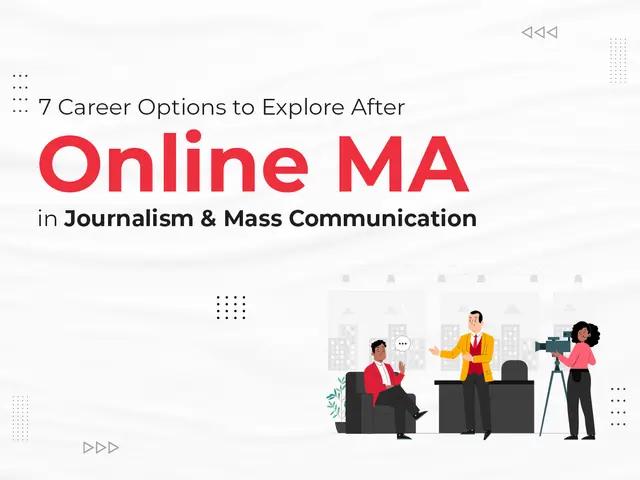
Earning a Master’s degree in journalism can open up a plethora of job opportunities in the dynamic and ever-evolving field of media. In fact, according to a recent report, the overall employment rate of journalism and media industry roles is expected to grow tremendously by the end of 2032, with an annual average projection of 114,300 openings.

YourDegree
October 13th, 2024

Beginning the road to choosing the proper online graduate degree programs requires a thorough self-evaluation Recognize your unique abilities and talents to determine your strengths. Examine what drives you and identify the topics or activities that pique your enthusiasm. Additionally, consider your aims, including your long-term professional objectives
YourDegree
October 13th, 2024

Students who have completed their 12th in the Arts stream have the option to join several undergraduate courses that can lead to lucrative job roles. Most of the programs have strong employability prospects, especially when pursued through recognized institutions.
YourDegree
May 30th, 2025
Online MA in Mass Communication and Journalism FAQs
An Online MA in Mass Communication and Journalism is a two-year postgraduate degree program. It focuses on advanced media studies, journalism practices, digital communication, advertising, and public relations. The course is delivered through online platforms using live and recorded lectures. It prepares students for careers in both traditional and digital media industries.
Yes, the degree is valid if it is offered by a UGC-recognized university. Online degrees from approved institutions hold the same academic value as regular degrees. They are accepted for government jobs, private sector roles, and higher education. Students should always verify university recognition before applying.
The program generally lasts two years and is divided into four semesters. Each semester includes a mix of theory subjects and practical assignments. Some universities offer flexibility to complete the course within an extended timeframe. This makes it suitable for both fresh graduates and working professionals.
Candidates must have completed a bachelor’s degree from a recognized university. Most universities do not require an entrance exam for online programs. Some institutions may ask for a minimum percentage in graduation. The admission process is usually simple and conducted online.
The curriculum includes media theories, reporting and editing, digital journalism, and public relations. Students also study advertising, media laws, and research methodology. Practical components such as case studies and projects are included. A dissertation or final project is typically required in the last semester.
Yourdegree Learner Support
Talk to our experts. We are available 7 days a week, 10 AM to 7 PM
-bb93900b80c94ba4961ccfabda5cd960.png&w=64&q=75)
Indian Nationals
Disclaimer
YourDegree is a counselling and exploring platform and is designed to facilitate students in exploring, choosing, and applying for educational programs.
Students will directly apply to the university, and all admission and post-procedure activities .