An Online MBA in India is an UGC-DEB-approved two-year postgraduate management program. It is delivered through online classes, pre-recorded lecture sessions, e-learning material, and online assessments. This program is meant for graduates and working professionals, as it enables individuals to acquire skills in the field of finance, marketing, management, and leadership without having to quit their jobs.
Program Structure
- Delivery: Recorded video lectures, live online faculty sessions, and digital libraries.
Why Choose an Online MBA
An Online MBA is a flexible and industry-relevant postgraduate program that helps you build business and leadership skills while continuing your job or other commitments.
Key Benefits of an Online MBA
- Learn While Working: Study without taking a break from your job.
- Recognized Degree: Earn a UGC-DEB-recognized MBA accepted for higher education and career growth.
- Flexible Schedule: Attend live or recorded classes at your convenience.
- Affordable Learning: Lower tuition costs than many full-time MBA programs.
- Career Growth: Build in-demand management and leadership skills for better job opportunities.
- Networking Opportunities: Connect with faculty, industry experts, and peers across different sectors.
Types of Online MBA
An Online MBA is available in different formats to match your career goals and experience level. Whether you're starting your management journey or looking to advance into leadership roles, choosing the right Online MBA course can help you achieve your objectives.
Type of Online MBA | Best For | Duration |
General Online MBA | Students and professionals looking for a strong foundation in business and management. | 2 Years |
Specialized Online MBA | Learners who want to build expertise in Finance, Marketing, HR, Business Analytics, Operations, or other domains. | 2 Years |
Executive Online MBA (EMBA) | Mid- to senior-level professionals aiming for leadership and strategic management roles. | 1–2 Years* |
Global/International Online MBA | Professionals seeking international business exposure and a globally focused curriculum. | 1–2 Years* |
Note: Before choosing an Online MBA in India, compare the program format, specialization options, accreditation, and career outcomes to find the best fit for your goals.
Most In-demand MBA Specializations to Explore
Online MBA courses in India offer a wide range of specializations to match diverse career goals. Here’s a quick guide:
1. Marketing Management
This specialization equips you with the ability to understand consumer psychology, craft compelling brand stories, and use both traditional and digital channels to drive measurable business growth.
- Focus: Brand management, digital marketing, market research.
- Made For: Creative thinkers, brand strategists, and marketing analysts.
2. Finance Management
This specialization offers you expertise to assess financial risks, manage investment portfolios, and ensure compliance while making informed, data-driven decisions in complex monetary environments.
- Focus: Corporate finance, investment banking, fintech solutions.
- Made For: Aspiring CFOs, bankers, and finance consultants.
3. Human Resource Management (HRM)
This field prepares you to design effective people-centric policies, handle workplace challenges, and match employee development with an organization’s long-term strategic objectives.
- Focus: Talent acquisition, learning and development, organizational behavior.
- Made For: People-oriented professionals aiming for HR leadership roles.
4. Operations Management
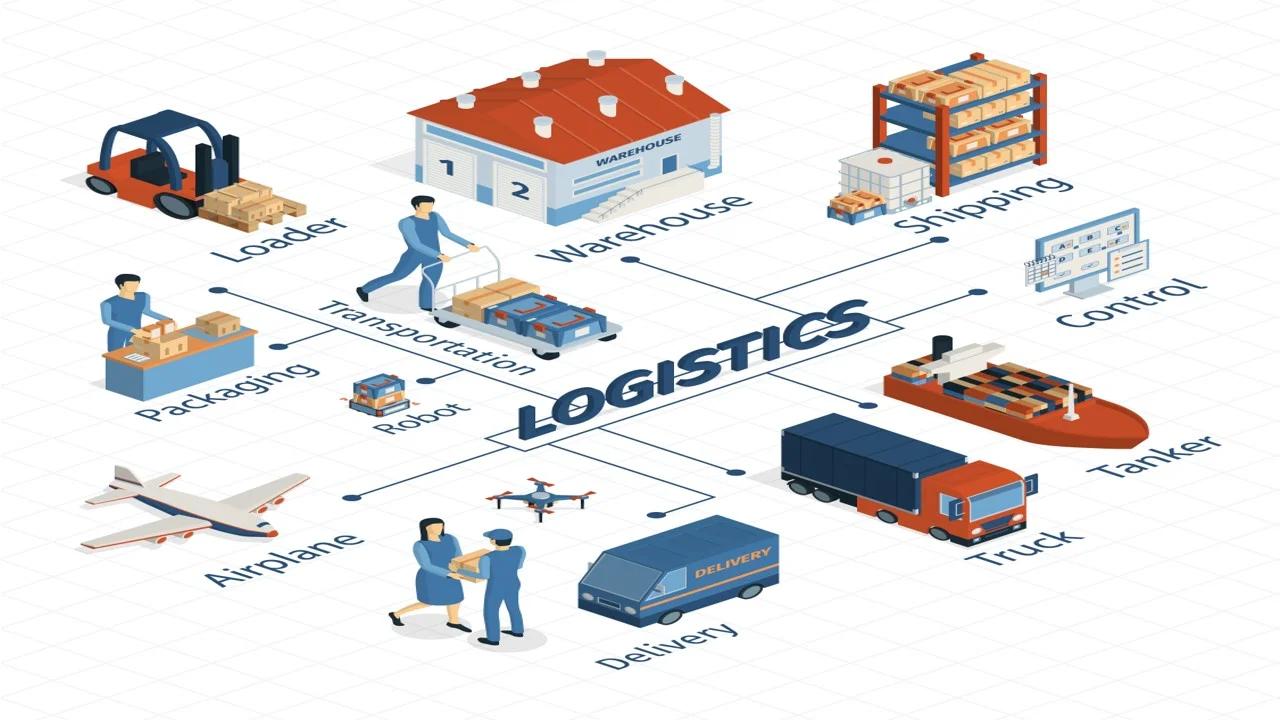
With this specialization, you will develop the ability to optimize workflows, apply technology in supply chain management, and uphold efficiency and quality standards to boost profitability and improve customer experience.
- Focus: Supply chain, logistics, quality management.
- Made For: Those interested in efficiency, production, and process improvement.
5. International Business
Online MBA top specializations like this one train you to deal with global regulations, adapt strategies to diverse cultural contexts, and build partnerships that strengthen a company’s presence in international markets.
- Focus: Global markets, cross-border trade, international strategy.
- Made For: Professionals aiming to work in multinational companies or export-import businesses.
6. Business Analytics
With this specialization, you will develop the skills to convert complex data into actionable strategies, enabling businesses to anticipate market trends and gain a competitive advantage.
- Focus: Data-driven decision-making, BI tools, predictive analytics.
- Made For: Data enthusiasts and problem-solvers wanting tech-driven management careers.
7. IT and Systems Management
This specialization teaches you to manage enterprise technology systems, oversee IT projects, and design strategies that match technological capabilities with overall business goals.
- Focus: ERP systems, IT project management, technology strategy.
- Made For: Tech professionals moving into managerial roles.
8. Entrepreneurship and Innovation
You will learn to build and scale startups, develop sustainable business models, and implement innovative strategies that disrupt markets and create lasting value.
- Focus: Startup building, business model creation, innovation strategies.
- Made For: Aspiring founders and business owners.
9. Healthcare Management
This field equips you to manage healthcare facilities, develop effective policies, and ensure operational excellence in hospitals, clinics, and other medical organizations.
- Focus: Hospital administration, healthcare policies, medical business strategies.
- Made For: Healthcare professionals and hospital managers.
10. Retail and E-commerce Management
You will gain the skills to optimize retail operations, manage omnichannel sales strategies, and deliver seamless customer experiences in both physical and online marketplaces.
- Focus: Omni-channel retailing, online store management, customer experience.
- Made For: Retail professionals and e-commerce entrepreneurs.
11. Artificial Intelligence
This specialization will help you learn how to harness AI tools and technologies to improve decision-making, automate processes, and drive business innovation across industries.
- Focus: Machine learning applications, AI-driven analytics, automation strategies.
- Made For: Business leaders, tech professionals, and entrepreneurs looking to leverage AI for growth.
12. Digital Marketing
You will gain expertise in building and executing data-driven marketing strategies to boost brand visibility, customer engagement, and sales in the digital landscape.
- Focus: SEO, social media marketing, content strategy, performance analytics.
- Made For: Marketing professionals, entrepreneurs, and aspiring digital strategists.
13. Other Specializations
- Hospitality and Tourism Management
- Energy and Sustainability Management
- Media and Communication Management
- Leadership and Organizational Development
Which Online MBA Specialization is Best?
The best Online MBA specialization depends on your career goals, industry, and interests. Here's a quick guide to help you choose the right option.
Career Goal | Best Online MBA Specialization |
Build a career in branding and sales | Marketing Management |
Work in banking, finance, or investments | Finance Management |
Lead people and manage talent | Human Resource Management |
Make data-driven business decisions | Business Analytics |
Manage operations and supply chains | Operations Management |
Work with global organizations | International Business |
Move into technology leadership | IT & Systems Management |
Start or grow your own business | Entrepreneurship & Innovation |
Build a career in hospitals and healthcare | Healthcare Management |
Grow in retail or e-commerce | Retail & E-commerce Management |
Leverage AI in business | Artificial Intelligence |
Become a digital marketing expert | Digital Marketing |
Online MBA Learning Experience
An Online MBA offers a flexible and interactive learning experience, allowing you to study from anywhere while balancing work and personal commitments. Most Online MBA programs combine live teaching with self-paced learning to ensure a practical and engaging education.
- Live Classes: Attend interactive sessions with faculty and industry experts.
- Recorded Lectures: Revisit lessons anytime at your convenience.
- Learning Management System (LMS): Access study materials, assignments, and assessments in one place.
- Mobile Learning: Learn on the go using your smartphone or tablet.
- Digital Library: Explore e-books, journals, case studies, and research resources.
- Discussion Forums: Collaborate with peers, faculty, and mentors to resolve queries and share ideas.
- Assignments & Quizzes: Reinforce concepts through regular assessments and practical tasks.
- Case Studies: Solve real-world business challenges to strengthen decision-making skills.
- Industry Projects: Apply your learning through hands-on projects and build job-ready experience.
What Facilities and Support Do You Get?
Most Online MBA courses in India offer dedicated academic and career support to help you succeed throughout your learning journey.
- Academic Mentors: Get guidance on coursework, projects, and academic planning.
- Faculty Support: Interact with experienced faculty during live sessions and doubt-clearing discussions.
- Student Success Managers: Receive personalized support for academic and administrative queries.
- Technical Support: Get assistance with the LMS, online classes, and platform-related issues.
- Career Counselling: Access career guidance, resume reviews, and interview preparation.
- Placement Assistance: Benefit from job alerts, placement drives, networking opportunities, and career support offered by participating universities.
What Do You Actually Get from an Online MBA?
An Online MBA offers more than just a degree. Along with academic knowledge, you gain practical learning, professional support, and career resources to help you grow.
- Recognized MBA Degree: Earn a UGC-DEB-recognized postgraduate degree.
- Industry Projects: Work on real-world business problems to build practical skills.
- Certifications: Gain additional industry-relevant certifications (varies by university).
- Alumni Network: Connect with graduates, industry professionals, and peers.
- Career Services: Access resume building, interview preparation, and career guidance.
- Placement Support: Explore job opportunities through placement assistance and employer connections offered by participating universities.
Online MBA Exams, Evaluation & Degree Recognition
One of the most common concerns about an Online MBA in India is how exams are conducted and whether the degree is recognized. If you choose a UGC-approved Online MBA from a recognized university, your degree holds the same academic value as a regular MBA.
How Are Online MBA Exams Conducted?
Online MBA exams vary by university. Most institutions conduct through,
- AI-Proctored Online Exams
- Assignment-Based Assessments
How Is an Online MBA Evaluated?
The Online MBA evaluation process typically combines internal and final assessments. Your overall grade may be based on:
- Case studies and projects
- Semester-end examinations
Most universities follow a CGPA/GPA or percentage-based grading system, similar to regular MBA programs.
What Certificate and Degree Do You Receive After an Online MBA?
After successfully completing a UGC-approved Online MBA, you receive a recognized postgraduate degree from the university. In many cases, most UGC-approved universities do not print the word “Online” on your MBA degree. This means your qualification holds the same academic value and recognition as a regular MBA in India and abroad.
Online MBA Fees, Scholarships, and ROI
The cost of an online MBA in India varies widely depending on the institution. Understanding fees and financial aid options can help you choose the best online MBA in India that aligns with your budget and goals.
Average Fee Range in India
- Public Universities: Start from INR 6,000.
- Private Universities: Around INR 37,500 to INR 13 Lakh for the full program.
Payment Plans and EMI Options
Many universities offer flexible payment schedules, including semester-wise payments and EMI plans. Some universities take it a step further by offering no-cost EMI options, allowing students to spread their tuition through manageable monthly installments of reasonable MBA online fees without incurring extra interest.
This makes MBA online courses even more accessible to working professionals who want to invest in their education without putting a strain on their finances.
Scholarships You Can Explore
Beyond making programs affordable through payment flexibility, many online MBA universities in India also offer scholarships to reward merit and encourage diversity in management education. Think:
- Merit-Based: For high academic achievers.
- Women Professionals: Encouraging female participation in management roles.
- Working Professionals: Incentives for those upgrading skills while employed.
- Economically Weaker Sections (EWS): Financial support for MBA online eligibility-bound candidates.
Online MBA Career Opportunities
An Online MBA can open doors to leadership, management, and strategic roles across industries. Whether you're looking to advance in your current field or explore a new career path, the program helps you with practical business and leadership skills valued by employers.
Popular Job Roles After an Online MBA
Job Role | Average Salary |
Business Development Manager (2-14 years) | ₹7.7L/yr₹8.5L/yr |
Project Manager (4-18 years) | ₹17L/yr-₹18.8L/yr |
Marketing Head (4-22 years) | ₹34.7L/yr-₹38.4L/yr |
Operations Manager/Lead (4-19 years) | ₹13.2L/yr-₹15.9L/yr |
HR Business Partner (2-13 years) | ₹13.1L/yr-₹14.4L/yr |
Finance Manager (3-18 years) | ₹16.6L/yr-₹18.3L/yr |
Source: Ambition box
Top Industries Hiring Online MBA Graduates
- Information Technology (IT)
- Banking, Financial Services & Insurance (BFSI)
- Healthcare & Pharmaceuticals
- Startups & Entrepreneurship
Can an Online MBA Help You Switch Careers?
Yes. An Online MBA in India helps professionals build transferable management skills, making it easier to transition into roles in marketing, finance, HR, consulting, operations, or business analytics. Choosing the right specialization can further improve your chances of a successful career switch.
Can It Help You Get a Promotion?
An Online MBA enhances your leadership, strategic thinking, and decision-making abilities, making you better prepared for managerial and leadership roles. Many professionals pursue an Online MBA to qualify for promotions, salary hikes, and greater responsibilities within their organizations.
Online MBA Salary in India
The Online MBA salary is approx. ₹ 10LPA, but it also depends on your work experience, specialization, industry, employer, and location. Professionals with relevant experience and in-demand specializations often earn higher salary packages.
- Freshers (0-1 year): ₹4,00,000-₹6,00,000 per year
- Mid-Level (1-4 years): ₹8,00,000 - ₹12,00,000 per year
- Senior-Level (5-10 years): ₹12,00,000- ₹20,00,000+ per year
- Executive / Leadership (10+ years): ₹20,00,000-₹50,00,000+ per year
Note: Specializations like Business Analytics, Finance, Marketing, AI, and Consulting often offer higher earning potential.
Placement Support & Top Recruiters
Many universities offering Online MBA programs provide career services to help learners improve their employability and prepare for job opportunities.
Placement Support Includes
- Resume and LinkedIn profile review
- Interview preparation sessions
- Career coaching and mentoring
- Job alerts and placement drives
- Networking opportunities with recruiters
Top Recruiters
Graduates of Online MBA courses are hired by organizations across industries, including:
Note: Placement support and recruiter partnerships vary by university. Always review the placement services offered before choosing an Online MBA in India.
Is an Online MBA Valid in India?
Yes. An Online MBA in India is valid if it is offered by a UGC-recognized university and approved by the Distance Education Bureau (DEB) wherever applicable. A recognized UGC-approved Online MBA holds the same academic value as a regular MBA for higher education and most employment opportunities.
What Makes an Online MBA Valid?
✔ Offered by a UGC-recognized university
✔ Approved by UGC-DEB for online mode (where applicable)
✔ Degree recognized for higher education and competitive exams
✔ Accepted by many private-sector employers in India
✔ Widely recognized by universities and employers abroad (subject to country and employer policies)
Is an Online MBA Accepted Abroad?
Yes, many employers and universities abroad accept an Online MBA, especially if it is earned from a recognized Indian university. However, acceptance may vary depending on the country, employer, university, or licensing requirements, so it's always advisable to verify specific eligibility criteria.
Can You Apply for Government Jobs?
Yes. Graduates with a UGC-recognized Online MBA are generally eligible to apply for government jobs that require a master's degree, provided they meet the recruitment authority's eligibility criteria and the degree is recognized by the relevant regulatory bodies.
How to Choose the Right Online MBA
Choosing the right Online MBA can make a significant difference to your learning experience and career growth. Before enrolling, compare programs using the checklist below.
Checklist for Choosing the Best Online MBA
✔ Accreditation: Ensure the university is UGC-recognized and offers an approved Online MBA program.
✔ Faculty: Look for experienced faculty with strong academic and industry expertise.
✔ Placement Support: Check if the university offers career services, placement assistance, resume reviews, and interview preparation.
✔ Alumni Network: A strong alumni community can help with networking and career opportunities.
✔ Fees & ROI: Compare tuition fees, EMI options, scholarships, and the overall return on investment.
✔ Specializations: Choose an Online MBA specialization that aligns with your career goals and industry demand.
✔ Learning Management System (LMS): Ensure the platform is user-friendly and provides access to study materials, assignments, and recorded lectures.
✔ Live Classes & Flexibility: Check the frequency of live sessions, availability of recorded lectures, and flexibility to learn at your own pace.









-bb93900b80c94ba4961ccfabda5cd960.png&w=64&q=75)





























































-cc8db2bbee2649349052f0471e9b6220.webp&w=3840&q=75)
















































































































-1f7794b040f144f4966c4a1c8baad95b.webp&w=3840&q=75)














































-4caa18edab784280a806af915e92a49c.webp&w=3840&q=75)